If you’re searching for what a dental assistant earns in Washington, the short answer is a median annual wage of $48,070 according to the Bureau of Labor Statistics (2025). Pay in Seattle tracks close to that figure, with experienced and certified assistants earning meaningfully more. This guide breaks down what you can expect to earn in Seattle, what raises that number over time, and how the 12-week program at Seattle Dental Assistant School prepares you for that first paycheck.
Washington consistently ranks among the top-paying states for dental assistants in the country, which means Seattle has consistent hiring across general dentistry, pediatric offices, orthodontics, and specialty practices. The job market is active, and the pay reflects that.
What Is the Average Dental Assistant Salary in Seattle?
The national median wage for dental assistants is $48,070 per year, or about $23.11 per hour (Bureau of Labor Statistics, Occupational Outlook Handbook, 2025). Washington pay sits in the same range, with variation based on experience, location within the state, and credentials.
Entry-Level Pay in Seattle
A new dental assistant in Seattle typically starts in the $36,000 to $42,000 range. At the entry-level end, the national 10th percentile of $37,130 applies to early-career assistants without certification, per BLS national data. That’s a starting point, not a ceiling. Most assistants move up within their first year as they take on more responsibility chairside.
Mid-Career and Experienced Pay in Seattle
After two to four years, Seattle dental assistants generally earn between $46,000 to $54,000. This is where most working assistants land. By this stage you’ve usually completed your DANB Certified Dental Assistant (CDA) exam, passed your radiography certification, and become comfortable with a wider range of procedures.
Top-Earning Dental Assistants in Washington
At the top end, the national 90th percentile of $62,250 per year applies (Bureau of Labor Statistics, Occupational Outlook Handbook, 2025). State-specific wage tiers are published by BLS at the Washington OES page. Assistants at this level typically hold advanced credentials, work in high-demand specialties like oral surgery or orthodontics, and have five-plus years of experience. Some take on lead assistant or office manager roles, which lift earnings further.
Why Do Dental Assistants in Seattle Earn More Than the State Average?
Seattle is one of the more active dental markets in Washington, and that activity shows up in the job postings. The metro has a healthy mix of large group practices, dental support organizations, and specialty offices, all of which tend to pay more than smaller solo practices.
Specialty Practices Pay More
Pediatric dentistry, orthodontics, oral surgery, and cosmetic dentistry offices in Seattle often pay $2 to $5 more per hour than general dentistry. These specialties require additional skills like sedation monitoring, surgical setup, and expanded radiography. Seattle Dental Assistant School graduates often move into these roles after a year or two of general experience.
Certification Adds About 15% to Your Pay
The Dental Assisting National Board reports that certified dental assistants earn approximately $26 per hour compared with $22.50 for non-certified assistants, a 15% wage difference. Washington requires dental assistants performing certain duties to register as a Registered Dental Assistant (RDA) with the Washington State Department of Health. The Washington State Dental Quality Assurance Commission sets these requirements. Most Seattle offices prefer or require both.
Experience and Expanded Duties Drive the Ceiling
Washington recognizes the Registered Dental Assistant (RDA) credential, allowing assistants to perform an expanded scope of duties chairside. These expanded duties certifications make you more valuable to a Seattle practice that wants flexibility from its staff.
How Long Does It Take to Earn That Salary?
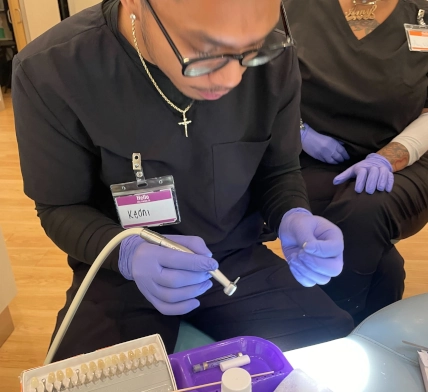
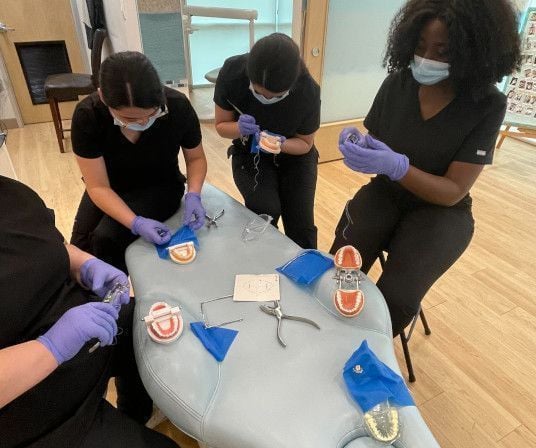
The Seattle Dental Assistant School program runs 12 weeks, with evening and weekend classes designed for adults who are working or raising families. After classroom and clinical training, you complete a 40-hour externship at a real Seattle-area dental office. Most students graduate with hands-on experience and a clear path to their first job.
From Day One to First Paycheck
A realistic timeline looks like this: you start the 12-week program, sit for your radiography certification near the end of training, complete your externship, and begin applying for chairside positions. Graduates often start interviewing during the externship and are working within four to eight weeks of finishing the program. The first job at $16 to $18 per hour in Seattle typically lifts to $19 to $22 per hour by the end of the first year as you become independent in the operatory.
Why a Short Program Pays Off
A 12-week certificate program costs $3,890 at Seattle Dental Assistant School. Compared with a 9-to-11-month community college program or a 2-year associate degree, you start earning months sooner. A graduate earning $36,000 in their first year recoups the cost of tuition in under six weeks of full-time work, and that’s before counting the income you would have lost in additional school time.
Where Can You Work as a Dental Assistant in Seattle?
The Seattle metro has hundreds of dental offices, and Seattle Dental Assistant School operates Mill Creek and Northgate campuses. That campus footprint means clinical training and externship placements happen close to where you live and where you’ll eventually work.
General Dentistry Practices
The majority of Seattle dental assistants start in general dentistry, working in family practices that handle cleanings, fillings, crowns, and routine care. These offices offer steady hours, predictable patient flow, and a strong foundation for the rest of your career.
Pediatric, Orthodontic, and Specialty Offices
Seattle has a strong network of pediatric practices, orthodontic offices, and oral surgery centers. These tend to pay more and often look for assistants with certification and experience working with specific patient populations. Many Seattle Dental Assistant School graduates move into these specialties within their first two years.
Dental Support Organizations and Group Practices
Larger DSO-backed practices and multi-location group offices are a major employer in Seattle. They typically offer structured benefits, paid time off, and clearer paths to lead-assistant roles, which is useful if you want long-term career stability without job-hopping.
What Are the Other Benefits of Attending Seattle Dental Assistant School?
The 12-week program at Seattle Dental Assistant School is built for adults who need a fast, practical path to a dental career. Classes are small, instructors are practicing dental professionals, and the schedule is designed around evening and weekend availability so you can keep working while you train. Tuition is $3,890 with flexible payment plans and no long-term student debt. Your scrubs, supplies, and externship placement are included.
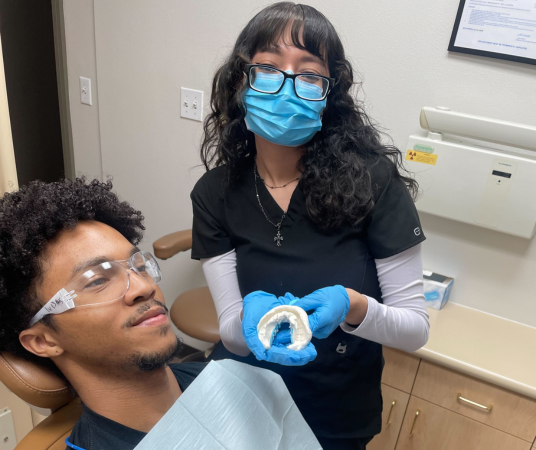
You learn the same chairside skills used in every Seattle dental practice, including four-handed dentistry, instrument sterilization, dental radiography, infection control, and patient care, all taught in real clinical settings with hands-on practice from week one. By graduation, you’ve already worked in a real Seattle dental office during your externship, which is often the office that hires you.
Ready to start your dental assistant career in Seattle? Contact Seattle Dental Assistant School today to learn more about becoming a dental assistant in Seattle and what your first paycheck could look like by this fall.